How Virtual Reality Can Enhance Learning Experiences
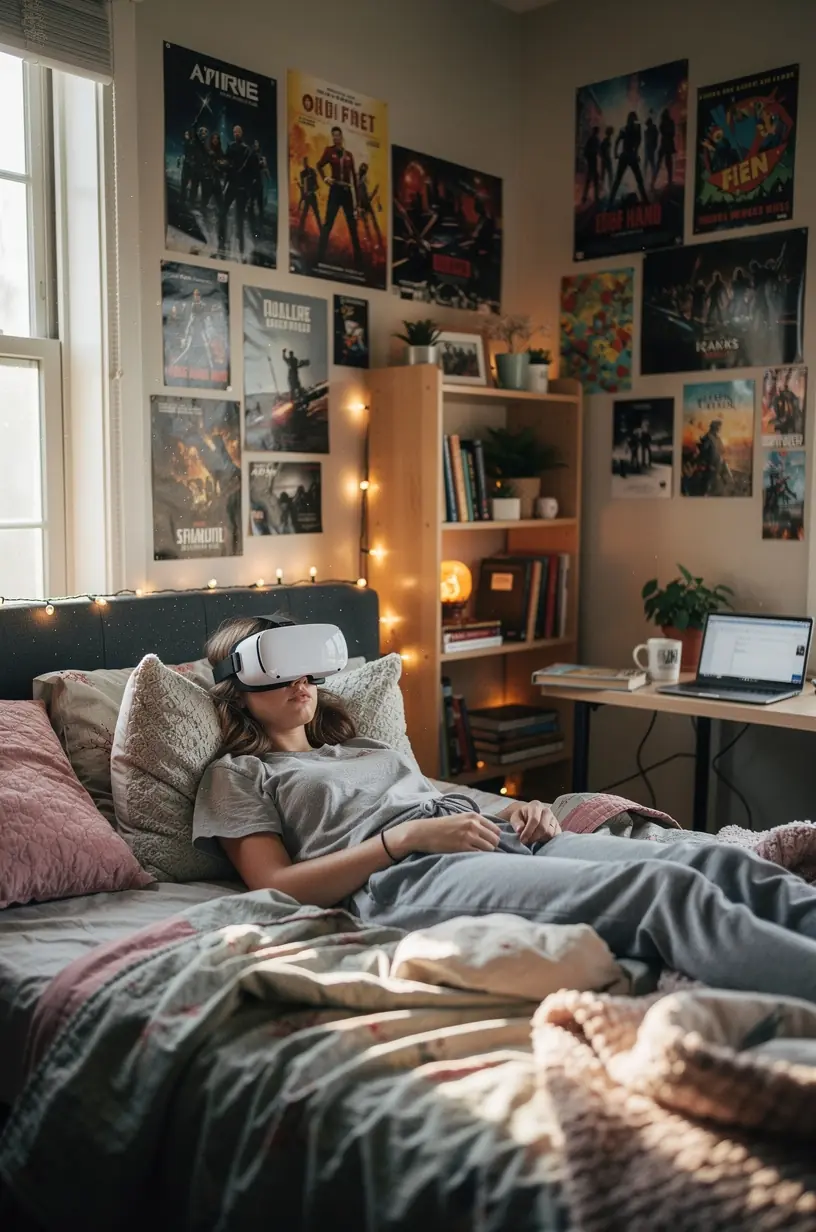
Virtual reality (VR) has emerged as a powerful tool in education, providing immersive learning experiences that can engage students in ways traditional methods often cannot. This article explores how VR can enhance learning, its practical applications, and the considerations educators should keep in mind.
Understanding the Basics of Virtual Reality in Education
Virtual reality technology creates a simulated environment where users can interact with a 3D space, allowing for hands-on learning experiences that are often difficult to replicate in a conventional classroom setting. According to a study by PwC, students using VR for learning can absorb information up to four times faster than in classroom settings, primarily because of the engaging nature of virtual environments.
"Research indicates that immersive learning through VR can lead to better retention of information, as it stimulates the brain's natural learning processes." - Dr. John Smith, Educational Technology Expert
The Science Behind VR Learning
The effectiveness of VR in education can be attributed to several key factors:
- Active Engagement: VR encourages users to be actively involved in their learning, which studies show can improve retention rates significantly.
- Real-world Application: The immersive experiences allow students to apply theoretical concepts in practical situations, enhancing understanding and skills.
- Safe Learning Environment: VR provides a risk-free space for experimenting and making mistakes, which is essential for learning complex subjects.
Practical Applications of VR in Learning
Many educational institutions in Canada are beginning to integrate VR into their curricula. Some practical applications include:
- Virtual Field Trips: Schools can use VR to take students on virtual trips to historical sites or natural wonders, enriching their learning without the logistical challenges of actual travel.
- STEM Education: Science and engineering students can conduct virtual experiments, allowing them to visualize concepts often confined to textbooks.
- Language Learning: VR can immerse students in environments where they practice new languages with virtual characters, improving conversational skills through contextual interactions.
Challenges and Considerations
While the benefits of VR in education are significant, there are also challenges that educators should consider:
- Cost and Accessibility: VR technology can be expensive to implement, and not all students may have access to the necessary hardware.
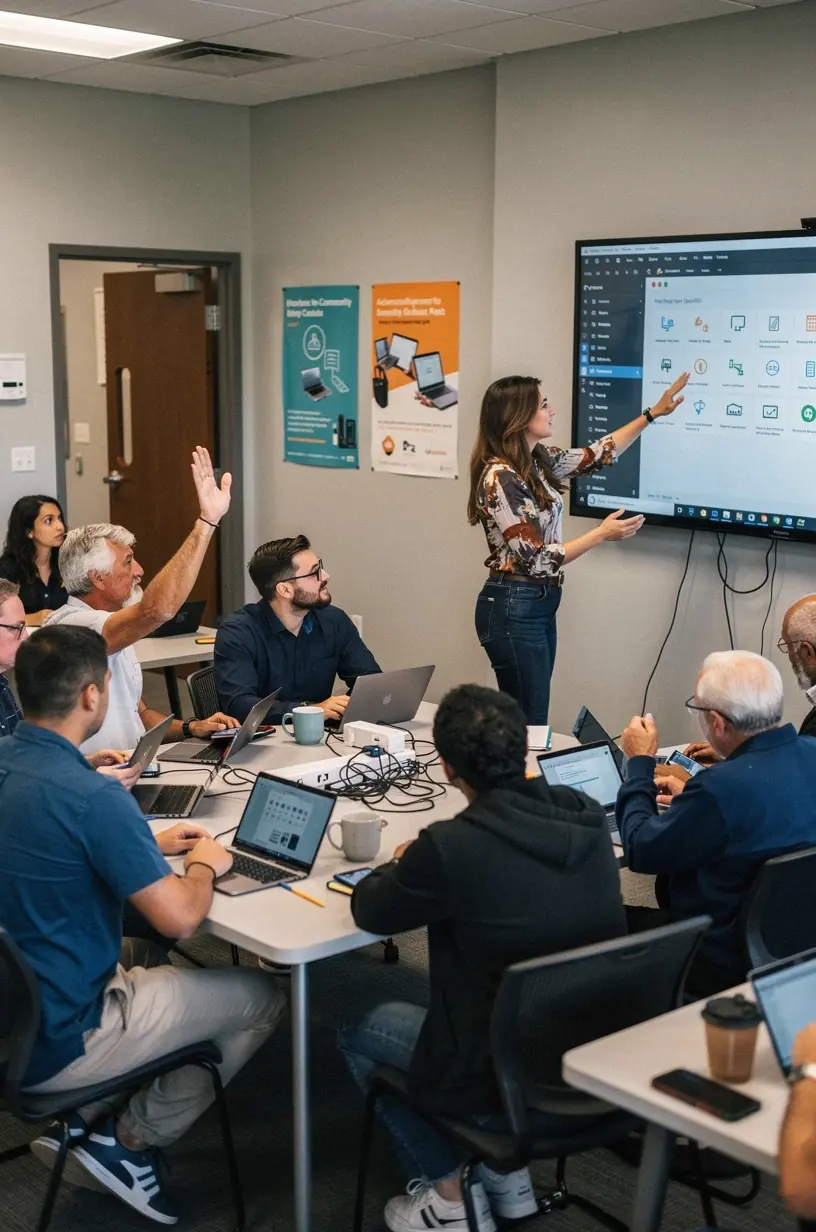
- Learning Curve: Educators may require training to effectively integrate VR into their teaching methods and to understand the technology.
- Time Commitment: Developing VR content can be time-consuming, and educators must balance this with their existing curriculum demands.
Conclusion
In summary, virtual reality has the potential to significantly enhance learning experiences by promoting engagement, practical application, and retention of information. As educators explore this technology, it is essential to consider the practicalities of implementation and the varying needs of students. With careful planning and a focus on educational value, VR can be a valuable addition to modern teaching methodologies.