A Beginner's Guide to Digital Privacy Settings
In today's digital age, understanding privacy settings is crucial for protecting your personal information online. This guide aims to demystify digital privacy settings and empower you to take control of your online presence.
Understanding the Importance of Digital Privacy
Digital privacy refers to the protection of your personal data in online environments. According to a study by the Canadian Internet Registration Authority (CIRA), nearly 90% of Canadians are concerned about their online privacy. Understanding how to manage your privacy settings can help mitigate risks such as identity theft, data breaches, and unauthorized access to personal information.
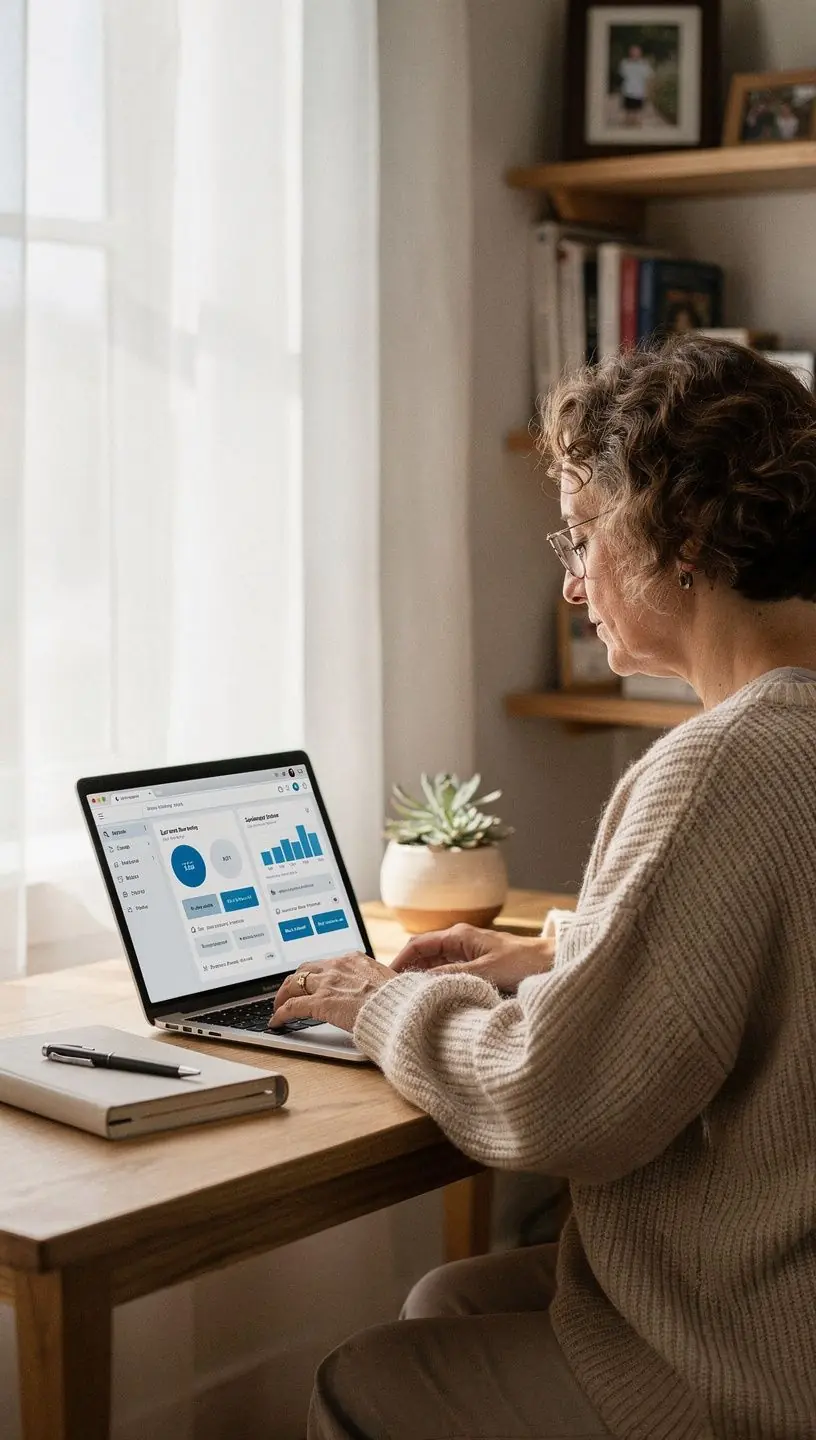
"Many users report feeling overwhelmed by the variety of privacy settings available, leading to poor management of their personal data."
Getting Started with Privacy Settings
Adjusting your privacy settings typically involves a few key areas:
- Social Media Platforms: Most platforms, including Facebook and Instagram, offer privacy settings that allow you to control who sees your posts and personal information. Industry experts recommend regularly checking these settings, as platforms often update their policies.
- Device Settings: On smartphones and computers, privacy settings can usually be found under the settings or preferences menu. This includes options for location tracking, app permissions, and data sharing.
- Web Browsers: Browsers like Chrome and Firefox provide settings to enhance your privacy, such as disabling third-party cookies or enabling private browsing modes. Research indicates that users who utilize these features significantly reduce their digital footprint.
Practical Steps to Manage Your Digital Privacy
- Review Privacy Policies: Take the time to read privacy policies on websites and apps. Although they can be lengthy, understanding how your data is used is essential.
- Enable Two-Factor Authentication: This adds an extra layer of security to your accounts, making it harder for unauthorized users to gain access.
- Limit Data Sharing: Be mindful of the information you share online. Experts recommend sharing only what is necessary and being cautious with sensitive details such as your location or financial information.
Acknowledging Limitations
It's important to recognize that while these steps can enhance your privacy, no method is foolproof. Regularly updating your knowledge about privacy practices and maintaining vigilance in monitoring your digital footprint is crucial. It may take time to establish effective habits, but many users find that gradually implementing these strategies leads to a more secure online experience.
Conclusion
Managing your digital privacy settings is an ongoing process that requires attention and awareness. By understanding the basics and consistently reviewing your settings, you can empower yourself to maintain better control over your personal information online. Remember, taking small, deliberate steps can lead to significant improvements in your digital safety.